Antimicrobial wall paint is getting fresh attention this week. A wave of recent health reporting is putting a spotlight on an old problem: mold quietly growing inside people’s homes. According to investigations from CBS News and KFF Health News, an estimated 47% of U.S. homes show visible mold or dampness, and rising flooding and storm damage linked to extreme weather are making the problem worse. Families are reporting rashes, fatigue, and respiratory symptoms traced back to mold spreading through walls and HVAC systems long after water damage looked “dry.”
Why Mold on Walls Is More Than a Cosmetic Problem
Mold and mildew need only three things to take hold: spores, food, and moisture. Painted walls in bathrooms, kitchens, and poorly ventilated bedrooms provide all three, especially after a leak, a humid summer, or flooding. Once mold is established, it can spread behind paint and inside wall cavities, triggering allergic reactions and respiratory irritation long before it becomes visible again.
Where Antimicrobial Wall Paint Fits In
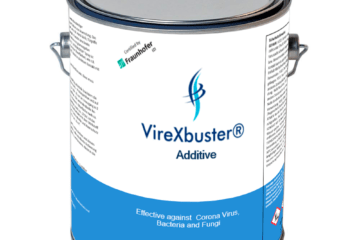
This is the gap VireXbuster Wall, DaXem GmbH’s waterborne antimicrobial paint for interior walls and ceilings, is built to address. It is a hybrid formulation with a very wide spectrum of activity against virus, bacteria, fungi, mold, and mildew, applied exactly like a standard wall paint, with no special equipment and no separate treatment step. Homeowners repainting a bedroom, nursery, bathroom, or kitchen can add a layer of ongoing antimicrobial protection to the painted surface itself, in a White finish, without changing their normal renovation routine.
Backed by Independent Testing
VireXbuster Wall is BAuA approved (Germany’s Federal Institute for Occupational Safety and Health), Fraunhofer tested, and QualityLabs certified as antimicrobial. Dermatest has certified it “Excellent” for dermatological safety, which matters for a paint used in bedrooms and children’s rooms. In the US, this category of product is classified by the EPA as a Supplemental Residual Antimicrobial Product (SRAP), a distinct category from disinfectants, since it works continuously on the treated surface rather than through a one-time wipe-down.
What Antimicrobial Paint Can’t Replace
No paint substitutes for fixing the underlying moisture problem. If a home has an active leak, poor ventilation, or flood damage, that needs to be resolved and any existing mold professionally remediated first. Antimicrobial wall paint is a supplemental layer of protection for a properly repaired, dry surface, not a treatment for active mold growth. Used that way, alongside VireXbuster Spray for treating other hard and soft surfaces, it gives households a practical way to make their next repaint work harder against everyday microbial buildup.
See the full VireXbuster Wall, Spray, and 4Bulk product range, including where to buy, in the online shop: https://www.virexbuster.de/shop
Before repainting, homeowners should also address any active leaks and improve ventilation in bathrooms and kitchens, since good airflow and moisture control remain the first line of defense against mold, regardless of which paint ends up on the wall.
FAQ
Does antimicrobial wall paint kill mold that’s already on my walls?
No. Existing mold should be cleaned and, if extensive, professionally remediated first. VireXbuster Wall is designed to protect a clean, properly prepared surface going forward, not to remove existing contamination.
Is VireXbuster Wall safe for bedrooms and children’s rooms?
Yes. It is a waterborne paint applied like any standard interior paint, and Dermatest has certified it “Excellent” for dermatological safety.
Is VireXbuster Wall the same as a disinfectant spray?
No. VireXbuster is not marketed as a disinfectant. It is a hybrid formulation offering continuous, wide-spectrum antimicrobial protection on the painted surface, which in the US would fall under the EPA’s Supplemental Residual Antimicrobial Product category rather than the disinfectant category.