As building managers, healthcare facilities, and commercial real estate operators prioritize indoor air quality (IAQ) and surface hygiene, antimicrobial coatings have become a major topic of discussion. With the EPA estimating that indoor pollutant concentrations may exceed outdoor levels by 2 to 5 times, facility operators are looking for long-term solutions.
But what exactly is an antimicrobial coating, and is it a magic cure-all for building hygiene? In this guide, we break down the science, the measurable benefits, and the limitations of antimicrobial treatments for high-touch surfaces and HVAC systems.
What Does an Antimicrobial Coating Do?
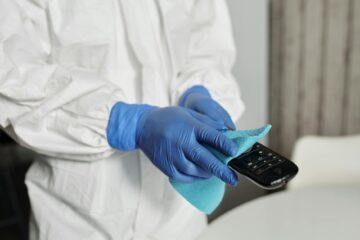
An antimicrobial coating is a specialized chemical layer applied to surfaces that actively inhibits the growth of microorganisms, including bacteria, viruses, and fungi. While traditional liquid disinfectants kill pathogens at the moment of application, their protection ends as soon as the surface is touched again.
A high-quality antimicrobial coating bridges this gap by creating a persistent, long-lasting barrier. For example, advanced formulations like the VireXbuster® Spray are designed to provide continuous, long-lasting surface hygiene, actively eliminating up to 99.99% of Coronaviruses, bacteria, and fungi for up to 12 months from a single application.
The Pros: Where Antimicrobial Coatings Excel
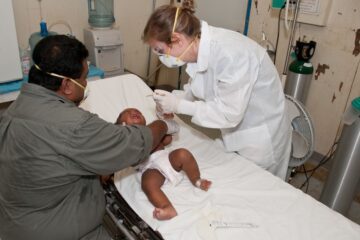
1. Drastic Reductions in Healthcare-Associated Infections (HAIs) Environmental contamination plays a massive role in spreading illness. Clinical studies across urban hospitals have shown that applying transparent antimicrobial coatings to patient rooms and common areas resulted in a 36% decline in healthcare-associated infections (such as multidrug-resistant organisms and C. difficile) and reduced total bacterial colony-forming units by up to 79%.
2. HVAC Energy Efficiency and IAQ HVAC systems are critical vectors for airborne disease transmission, and dark, damp air ducts are perfect breeding grounds for mold and bacteria. An antimicrobial HVAC treatment stops microbial growth inside air ducts and cooling coils. Beyond health benefits, this prevents biofilm accumulation on heat exchange surfaces. HVAC systems with biofouled coils consume 17–35% more energy, while commercial operators report 8–12% energy savings after applying coating retrofits.
3. Long-Term Cost Savings Because high-quality coatings remain active for months, they significantly reduce the labor and chemical costs associated with constant re-disinfection.
The Cons: What Antimicrobial Coatings Can’t Do
To understand the true value of these coatings, it is important to view them objectively. They are highly effective, but they have limitations:
- They do not replace routine cleaning: An antimicrobial coating is defined as a “Supplemental Residual Antimicrobial Product”. This means it is an effective supplement to standard disinfection procedures, not a replacement for wiping away visible dirt, grime, or grease.
- Application environments matter: Certain active ingredients can degrade if exposed to extreme temperatures or require highly specialized plasma-enhanced application. Fortunately, modern aerosol innovations have solved many of these issues, allowing for easy, primer-free application on virtually any substrate (wood, metal, plastic) at standard room temperatures.
- Older technologies reduced airflow: Early epoxy-based HVAC coatings restricted airflow by 12–18%. However, modern thin-film formulations (measuring just 10-50 µm thick) cause zero noticeable restriction.
What to Look For in an Antimicrobial Coating
If you are considering an antimicrobial treatment for an office, hospital, or residential HVAC system, not all products are created equal. The market is shifting heavily toward sustainable and non-toxic formulations.
When evaluating a product, look for these specific safety and performance markers:
- Skin Safety: Ensure the product will not cause contact dermatitis on high-touch surfaces like door handles. Top-tier products undergo independent testing; for instance, VireXbuster® holds an “Excellent” certification from the independent Institute Dermatest GmbH.
- Material Composition: Many older coatings rely heavily on silver-ion nanoparticles or copper. If you are concerned about heavy metals or nanomaterials, seek out advanced solutions that are explicitly copper and nano-material free.
- Verified Efficacy: Look for products tested by reputable third-party laboratories (like the Fraunhofer Institute or Quality Labs) according to ISO standards (such as ISO 21702 or ISO 22196).
Summary
Antimicrobial coatings are not a magic replacement for janitorial staff, but they are one of the most powerful tools available for securing indoor air quality and preventing rapid re-contamination of high-touch surfaces. By choosing a heavily certified, long-lasting solution, facility managers can protect occupants, improve HVAC efficiency, and drastically reduce the spread of dangerous pathogens.
Interested in exploring an innovative, German-engineered solution? Learn more about how VireXbuster®can protect your environment for up to 12 months at [https://www.Virexbuster.de].